How KIASTM Method by Kanu Kaushik is Helping People Recover from Lymphedema After Cancer
Lymphedema, a chronic condition characterized by swelling due to lymphatic fluid buildup, often affects individuals who have undergone cancer treatments such as lymph node dissection or radiation therapy. This condition can significantly impair quality of life, causing discomfort, limited mobility, and emotional distress. Traditional management strategies include compression therapy, manual lymphatic drainage, and physical exercise, but many patients seek more innovative and holistic approaches for recovery. One such promising approach gaining recognition is KIASTM (Kinesio Instrument Assisted Soft Tissue Mobilization) developed by Kanu Kaushik. This therapy combines advanced techniques with personalized care to facilitate lymphatic drainage and improve tissue health. In this comprehensive blog post, we explore how KIASTM by Kanu Kaushik is transforming the recovery journey for people battling lymphedema post-cancer treatment.
Understanding Lymphedema and Its Impact on Cancer Survivors
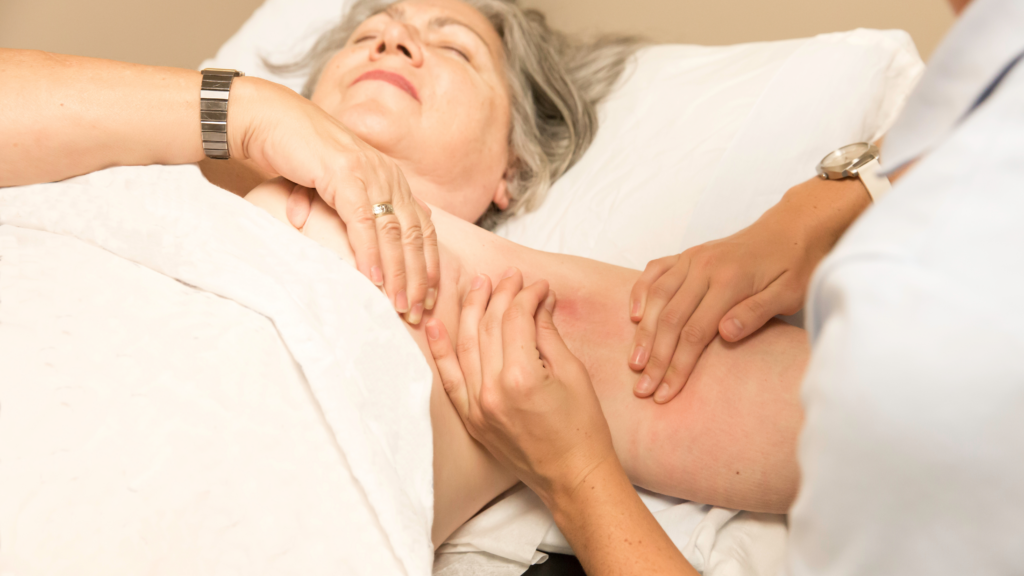
Lymphedema remains one of the most challenging side effects faced by cancer survivors, especially those treated for breast, gynecological, or melanoma cancers. It involves swelling typically in the arms or legs due to compromised lymphatic vessels unable to effectively drain lymph fluid. The persistent swelling can lead to pain, skin infections, and a decreased range of motion. The psychological burden can be equally profound as patients grapple with body image issues and anxiety about recurrence or complications. Managing lymphedema requires a multifaceted approach that includes lifestyle modifications, compression therapy, manual techniques, and increasingly, innovative therapies like KIASTM. Recognizing the complex nature of lymphedema underscores the importance of tailored interventions that address both physical symptoms and emotional well-being.
- Lymphedema can develop months or even years after cancer treatment.
- It impacts daily activities and overall quality of life.
- Conventional treatments may not fully resolve symptoms or prevent progression.
- Personalized therapies are necessary for effective management.
- Advances in soft tissue mobilization techniques are providing new hope.
- Psychological support is crucial alongside physical treatment.
- Early intervention can prevent severe complications.
This understanding highlights why integrating novel therapies like KIASTM into comprehensive care plans is essential for improving outcomes among cancer survivors suffering from lymphedema.
What is KIASTM and How Does It Differ From Traditional Therapy?
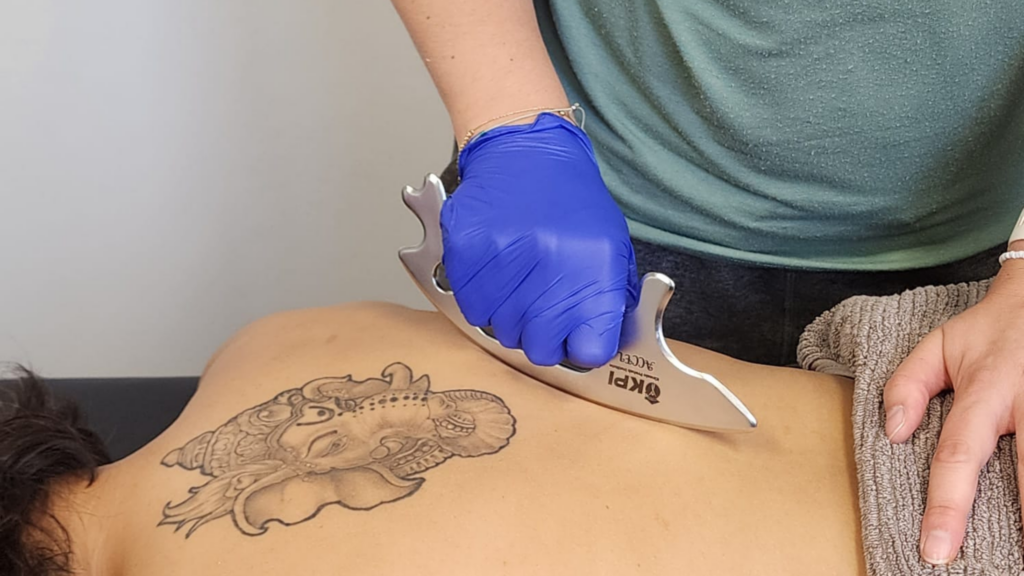
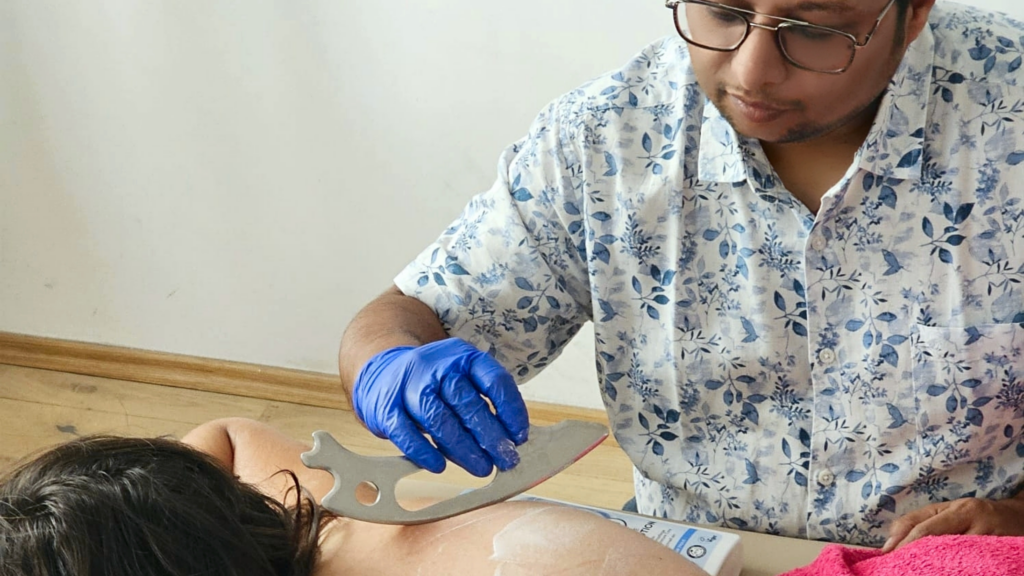
KIASTM by Kanu Kaushik is an innovative form of soft tissue mobilization designed to optimize lymphatic flow and tissue health through targeted manual techniques. Unlike traditional massage or manual lymphatic drainage (MLD), KIASTM incorporates specialized Accel tool designed by Kinesio Prehab Institute that enable precise application of pressure on affected tissues. This method enhances lymphatic drainage by stimulating the lymphatic vessels and breaking down fibrotic tissues that often develop around swollen areas. The key differentiator of KIASTM lies in its ability to combine mechanical stimulation with neurovascular engagement to promote faster healing. Developed by expert therapist Kanu Kaushik, this technique emphasizes individualized assessment to tailor interventions based on each patient’s unique needs. Practitioners trained in KIASTM utilize specific instruments designed for safe yet effective tissue manipulation that encourages natural drainage pathways.
- Uses specialized instruments for precise tissue stimulation.
- Combines mechanical pressure with neurovascular engagement.
- Focuses on breaking down fibrotic tissues surrounding swelling.
- Tailored assessments ensure personalized treatment plans.
- Aims to accelerate lymphatic flow more efficiently than traditional methods.
- Suitable for various stages of lymphedema severity.
Understanding the mechanics behind KIASTM helps patients appreciate its potential benefits over conventional approaches while emphasizing the importance of professional training for optimal results.
How KIASTM Facilitates Lymphatic Drainage Post-Cancer Treatment
Facilitating efficient lymphatic drainage is central to managing lymphedema effectively after cancer treatment. KIASTM leverages gentle but targeted instrument-assisted techniques that stimulate superficial and deep lymphatic vessels, promoting better fluid movement away from swollen tissues. The therapy also addresses fibrosis—a common consequence of radiation or surgery—by softening dense scar tissue that impedes normal lymph flow. This dual action helps restore tissue pliability and reduces swelling more rapidly than passive methods alone. Additionally, KIASTM encourages improved circulation at a cellular level, enhancing immune response and tissue repair processes vital for long-term recovery. Patients often report a noticeable reduction in limb heaviness, pain relief, and increased mobility following sessions.
- Stimulates superficial and deep lymphatic vessels.
- Softens fibrotic scar tissues obstructing flow.
- Enhances circulation at microvascular levels.
- Supports immune system functioning within affected tissues.
- Promotes quicker reduction in swelling severity.
- Improves overall limb functionality.
- Complements other conservative therapies like compression.
By actively engaging the body’s natural drainage pathways through precise stimulation, KIASTM offers a promising adjunctive tool for effective lymphedema management post-cancer.
The Role of Customized Treatment Plans in Achieving Optimal Outcomes
Every individual’s experience with lymphedema is unique; therefore, personalized treatment planning is essential when applying techniques like KIASTM. A customized approach considers factors such as disease severity, location of swelling, skin condition, patient history, and lifestyle factors influencing recovery. Kanu Kaushik conduct thorough assessments before designing interventions tailored specifically to each patient’s needs—adjusting parameters like pressure intensity and session frequency accordingly. This individualized strategy maximizes therapeutic benefits while minimizing discomfort or adverse effects. Furthermore, ongoing evaluation allows modifications as the condition evolves or improves over time. Such bespoke plans foster greater patient engagement and compliance because they align with personal goals and limitations.
- Comprehensive initial assessments inform treatment design.
- Adjustments are made based on progress or setbacks.
- Incorporates patient preferences for comfort during sessions.
- Encourages active participation in recovery process.
- Enhances long-term adherence through personalized goals.
- Integrates other modalities like exercise or skincare as needed.
- Leads to more sustainable improvements in limb health.
Tailoring treatments ensures that each patient receives targeted care optimized for their specific circumstances—ultimately enhancing recovery success rates with KIASTM.
Benefits of Incorporating KIASTM into Post-Cancer Lymphedema Management
Integrating KIASTM into standard post-cancer lymphedema protocols offers numerous advantages beyond traditional therapies. First, it accelerates fluid removal by directly stimulating lymphatic channels—leading to quicker symptomatic relief. Second, it addresses fibrotic changes that limit tissue flexibility; softening these tissues restores mobility and reduces discomfort over time. Thirdly, patients often experience enhanced skin health since improved circulation supports better oxygenation and nutrient delivery at the cellular level. Fourthly, because it involves minimal discomfort when performed correctly, many patients find it more tolerable than some manual techniques requiring vigorous massage pressure. Lastly—by combining precision instrumentation with holistic assessment—KIASTM fosters a proactive approach that empowers patients in their recovery journey while reducing dependence on bulky compression devices over time.
- Speeds up reduction in limb swelling.
- Improves tissue elasticity and mobility.
- Supports healthier skin conditions around affected areas.
- Offers a comfortable alternative compared to some manual therapies.
- Promotes independence through active participation strategies.
- Reduces long-term reliance on compression garments gradually.
The incorporation of KIASTM provides a multidimensional benefit profile that complements existing treatments while offering new avenues for sustained improvement.
Success Stories: Real-Life Impact of KIASTM on Lymphedema Patients
Many patients have reported significant improvements after incorporating KIASTM into their lymphedema management routines under professional guidance from practitioners like Kanu Kaushik. These success stories highlight reductions in limb size measurements within weeks of consistent treatment sessions; some individuals regained mobility lost due to fibrosis-related stiffness. Others describe experiencing decreased pain levels coupled with enhanced confidence during daily activities such as dressing or exercising—all vital components towards restoring quality of life post-cancer therapy. Testimonials frequently emphasize how personalized care plans foster motivation and trust throughout their recovery process—making them active participants rather than passive recipients of treatment efforts.
Examples include:
- A breast cancer survivor noticing reduced arm swelling after four weekly sessions using KIASTM combined with compression therapy.
- A woman experiencing less skin tightness which allowed her greater freedom during physical activities within two months post-treatment initiation.
- An individual reporting diminished episodes of cellulitis due to improved skin integrity facilitated by soft tissue mobilization techniques including KIASTM.
These stories reinforce the real-world effectiveness of integrating advanced therapies like KIASTM into comprehensive lymphedema management plans.
Training & Certification: Ensuring Safe & Effective Application of KIASTM
Proper training plays a crucial role in maximizing the safety and efficacy of applying KIASTM techniques for lymphedema relief post-cancer treatment. Certified therapists undergo extensive education covering anatomy-specific knowledge as well as instrument handling procedures tailored specifically for delicate tissues affected by previous surgeries or radiation therapy risk factors. Continuous professional development ensures practitioners stay updated on evolving methodologies while maintaining high standards of care excellence. For patients seeking relief through this modality, verifying practitioner credentials becomes vital—they should demonstrate relevant certifications from recognized institutions specializing in soft tissue mobilization or kinesiology-based therapies related to oncology rehabilitation.
Key points regarding training include:
- Comprehensive understanding of human anatomy pertinent to lymphatic pathways
- Hands-on practice under supervision before independent application
- Knowledge about contraindications specific to post-cancer conditions
- Commitment to ongoing education about new advancements
- Emphasis on patient safety protocols during each session
- Ability to customize treatments based on individual needs
Ensuring therapists possess proper certification guarantees that patients receive treatments aligned with best practices—maximizing therapeutic benefits while safeguarding wellbeing.
Integrating Lifestyle Modifications Alongside KIASTM Therapy
While professional intervention forms the cornerstone of effective lymphedema management utilizing techniques like KIASTM; lifestyle modifications further enhance outcomes sustainably over time. Patients are encouraged to adopt habits such as maintaining healthy weight through balanced nutrition—which reduces strain on compromised lymphatics—and engaging regularly in prescribed physical activity tailored specifically for their condition’s stage severity without overstressing affected limbs. Proper skincare routines prevent infections which could exacerbate swelling; elevating limbs whenever possible facilitates gravity-assisted drainage; avoiding tight clothing minimizes constriction around swollen areas; practicing deep breathing exercises stimulates diaphragmatic movement aiding lymph flow naturally—all these measures complement clinical treatments effectively.
Practical recommendations include:
- Incorporate low-impact exercises like walking or swimming into daily routines
- Follow a nutritious diet rich in antioxidants supporting immune function
- Practice meticulous skin hygiene around affected regions
- Use custom-fitted compression garments consistently as advised
- Elevate limbs above heart level during rest periods
- Avoid prolonged immobility which hampers circulation
Combining lifestyle adjustments with advanced therapies such as KIASTM creates a holistic framework promoting faster recovery and long-term stability against recurrent swelling episodes.
Future Perspectives: Advancements in Lymphedema Care with Innovative Techniques
The future landscape of lymphedema management looks promising thanks to ongoing research into integrative therapies like KIASTM (Kinesio Instrument Assisted Soft Tissue Mobilization). Emerging technologies focus on refining instrument design further enhancing precision while reducing discomfort—a critical factor considering patient sensitivity post-treatment phases. Additionally, integration with digital health tools enables remote monitoring where therapists track progress via mobile apps ensuring continuity despite geographical barriers; fostering community support networks enhances motivation among survivors navigating chronic conditions like lymphedema more confidently than ever before. Moreover new interdisciplinary collaborations between oncologists, physiotherapists,and holistic practitioners are paving avenues toward personalized medicine models optimized specifically for each patient’s unique pathology profile—revolutionizing outcomes across diverse populations globally.
Potential developments include:
- Smart instruments embedded with sensors measuring tissue response real-time
- Virtual reality-guided therapy sessions increasing accessibility
- AI-driven algorithms customizing treatment protocols dynamically
- Integration with wearable devices tracking limb volume changes continuously
These innovations promise a future where managing post-cancer lymphedema becomes more efficient,yet personalized than ever before—enhancing lives through cutting-edge science rooted in compassionate care provided by experts like Kanu Kaushik.
Empowering Patients Through Education & Support Systems
Education plays an integral role in empowering individuals living with lymphedema after cancer diagnosis to actively participate in their recovery process using tools like KIASTM effectively. Providing clear information about disease mechanisms demystifies symptoms while dispelling misconceptions about potential risks associated with advanced interventions ensures informed decision-making rights are upheld universally within healthcare settings.Understanding self-care practices—including proper use of compression garments,tissue hydration strategies,and recognizing early signs warning signs—enables proactive engagement reducing hospitalizations caused by complications such as cellulitis.By creating accessible resources—including support groups online forums dedicated dedicated survivor networks—patients gain confidence knowing they are not alone facing these challenges globally.Knowledge translates into empowerment,fostering resilience amidst adversity which ultimately leads better health outcomes over time.
Key elements include:
- Patient-centered educational workshops led by certified therapists
- Resource materials explaining therapies like KIASTM clearly
- Peer support networks facilitating shared experiences
- Regular follow-up consultations reinforcing self-management skills
Empowered patients become active partners their own healing journeys—and this partnership forms the foundation upon which successful long-term management strategies are built using advanced options such as KIASTM technology pioneered by professionals like Kanu Kaushik.

Elevating Recovery: How Innovation Transforms Lives Post-Cancer Treatment
KIASTM pioneered by expert therapist Kanu Kaushik exemplifies how innovative therapeutic approaches can revolutionize the way we manage complex conditions such as post-cancer lymphedema—orchestrating rapid symptom relief alongside sustained tissue health improvements.The fusion of scientific precision with compassionate care embodies modern rehabilitative medicine’s future: one focused not just on alleviating symptoms but empowering survivors towards complete functional restoration.This transformative impact extends beyond physical healing—it restores confidence,motivation,and hope among countless individuals facing lifelong challenges resulting from cancer treatments.With continued advancements rooted in evidence-based research coupled with personalized patient-centric models, KIASTM stands out as a beacon guiding us toward brighter,recovery-filled futures where every survivor can thrive once again amidst life’s renewed possibilities.
